Table Of Content

Below are four of the biggest hair benefits of using aloe vera. You can start with 2 times per week and eventually increase to 3-4 times per week when you feel more confident with the plant and for faster results on your hair. Aloe vera is consider safe for hair, if you don’t have allergic reaction to the plant, is totally safe to use Aloe vera every day in your beauty and hair routine. In general, there are few risks in using aloe vera on your skin. Check to be sure by rubbing a small amount on the inside of your wrist.
Aloe Vera For Hair Growth
But there's no need to apply a slice of the plant itself to your face in order to experience aloe vera benefits, of which there are many. What other simple natural hair conditioners do you make from your garden? “Antioxidants can potentially reduce the oxidative stress on hair follicles that contribute to hair loss,” says Brendan Camp, M.D., a dermatologist at MDCS Dermatology. You can apply and leave aloe vera in your hair for an hour or extend it to maximum 6 hours. Remember that keeping your hair soaked in aloe vera for a prolonged period may trap unwanted dust particles in your hair.
Contraindications of Aloe vera?
When purchasing aloe vera gel, keep in mind that it will most likely have added ingredients, such as lavender or other herbs, thickening agents, or even medications. Some of these may not be beneficial for your hair, so try to find a gel with as few added ingredients as possible. If you can’t find aloe vera leaves or don’t want to extract the gel yourself, you can buy aloe vera gel at a drugstore or online. The best way to get pure aloe vera gel is to extract it yourself from fresh leaves. To extract the gel from the leaves, all you need is a knife, a bowl, and some counter space. Applying aloe vera gel to your head is generally considered safe, although some people may be allergic to the plant.
7 Benefits of Aloe Vera for Hair - News18
7 Benefits of Aloe Vera for Hair.
Posted: Fri, 04 Aug 2023 11:14:53 GMT [source]
Can I use aloe vera gel for hair every day?
To apply this mask, follow the instructions above, but don’t leave the mask on for longer than 20 to 30 minutes. We're a huge fan of gels because they define and moisturize depending on what type of gel you're using. Anita Grant's plant-based gel can help elongate and define curls while sealing in moisture without a flakey cast. With Lane's advice in mind, we rounded up seven products that are fan favorites and have aloe within the first five ingredients.
Heal Your Skin.
The vitamin content in aloe vera suggests that it might work to repair sun damage to your hair, too. Seborrheic dermatitis is the clinical term for the condition we call dandruff. The symptoms of an itchy scalp and flaking skin under your hair can be treated with aloe vera. The best form of aloe vera to use on your hair is the raw gel of the plant.
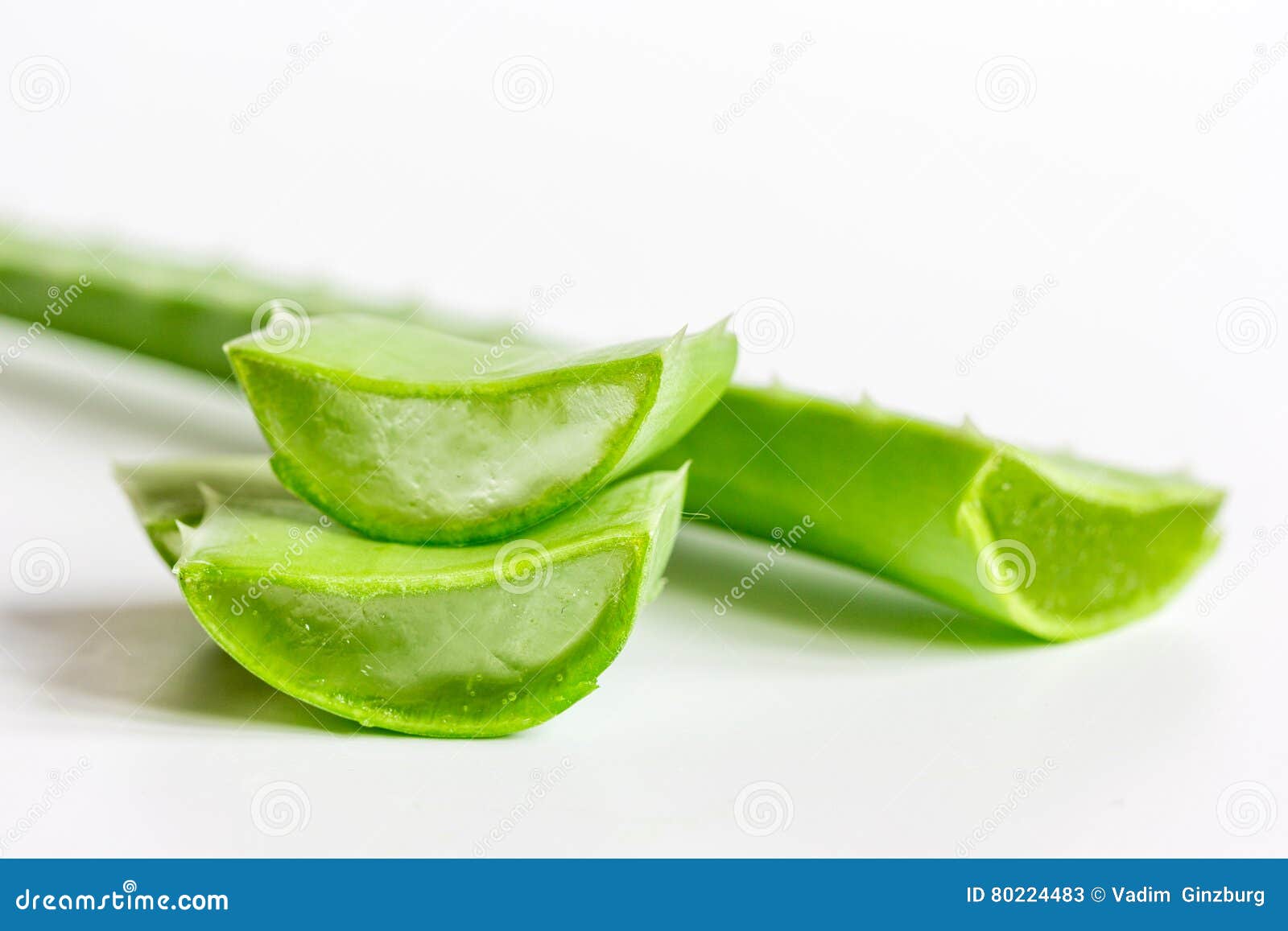
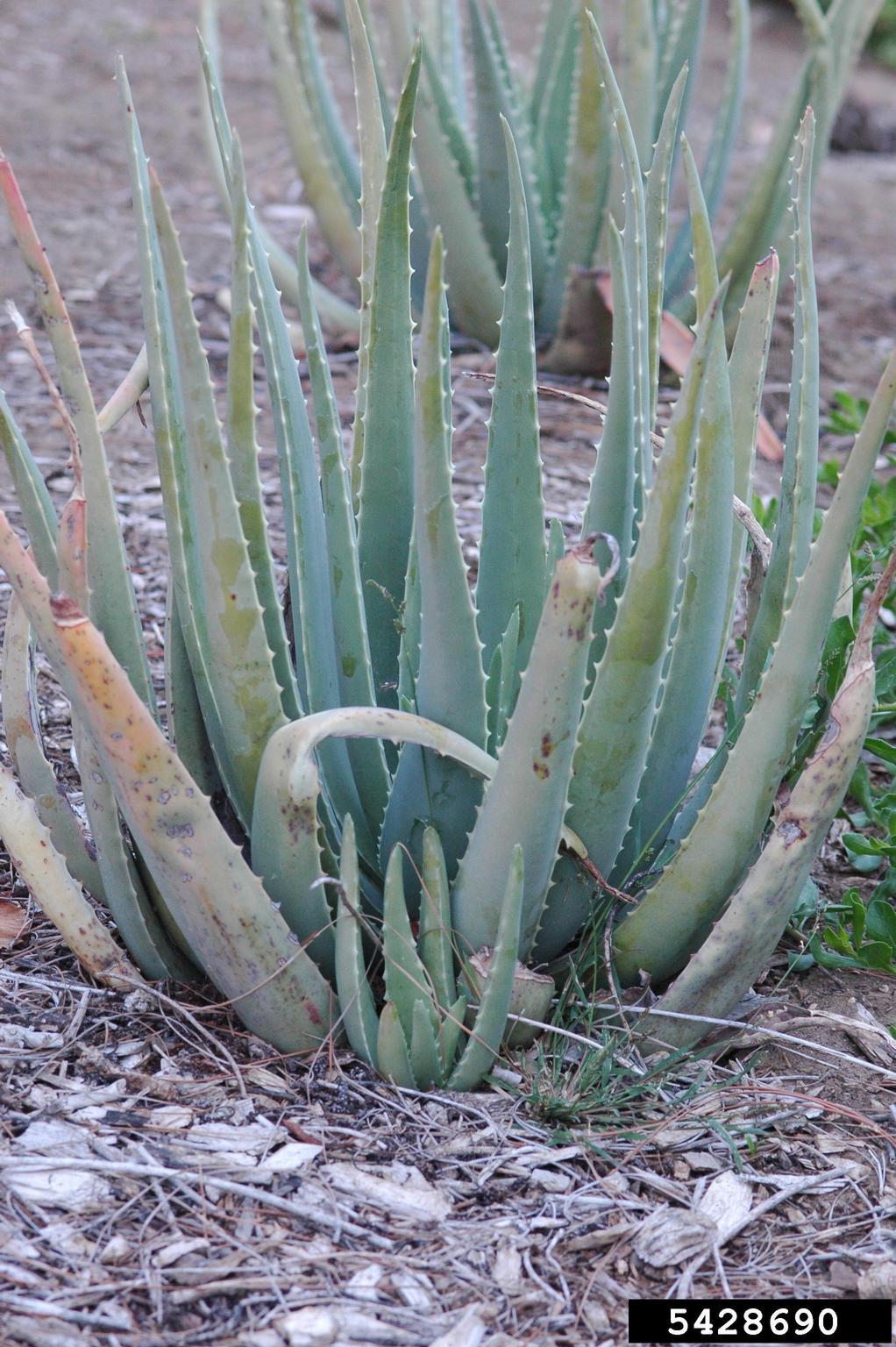
You can also use a conditioner instead—aloe's natural moisturizing properties are a great way to hydrate the hair. If you live in a sunny, dry climate, you may have the succulent in your yard, or you may know someone who does. You can also purchase precut aloe vera leaves at many natural food stores.
The Benefits Of Aloe Vera For Hair Growth, According To Experts - Women's Health
The Benefits Of Aloe Vera For Hair Growth, According To Experts.
Posted: Wed, 19 Apr 2023 07:00:00 GMT [source]
It has a high potential to restore balance among all the three doshas-Vata, Pitta and Kapha.. It can be an effective at-home solution to your chronic hair problems when combined with the right ingredients. You can cut the pulp into small little pieces and use it directly for the hair masks or Make Aloe vera gel and place the pulp on a blender.
Applied Directly
"Aloe is amazing at providing long-lasting moisturization that you can see and feel," Lane says. "For the hair, you'll notice an increase in softness and manageability." She also notes that aloe creates a subtle glow for the skin. However, aloe's healing properties go beyond kicking dryness to the curb. There is a laundry list of reasons and uses that justify bringing an aloe plant into your life—including the simple fact that it's super low maintenance, requiring watering only once every three weeks. (Even those with a black thumb can keep an aloe plant thriving!) Here's everything you need to know about the green goodness—and how it can help you achieve healthier, shinier, and more beautiful hair.
How we vet brands and products
According to Dr. Greenfield, there have been studies that demonstrated the beneficial effects of aloe vera on skin, and it’s possible that aloe vera could help support hair growth by addressing and calming inflammation on your scalp. “There are many, many causes of slow-to-no hair growth, collectively referred to as alopecia,” Dr. Greenfield says. It’s possible that aloe vera can promote hair growth when the cause of the alopecia is an inflammatory condition on the scalp. Research also shows that aloe vera is an anti-inflammatory ingredient and can protect against UV radiation, which can strengthen and benefit both your hair and scalp. UV-protective properties will preserve color and shine to keep your hair looking radiant. It even has the power to stave off grease, as aloe vera has special enzymes that can strip the hair (and skin) of excess oils.
Aside from drawing in and harboring moisture in the hair, many naturals credit aloe with promoting healthy hair growth. However, while aloe doesn't actually help the hair grow, it contains vitamin E and vitamin C, both of which help to protect against free-radical damage, meaning the integrity and strength of your hair may be better maintained. The vitamins A, E, and C in aloe vera help support scalp cell growth and turnover, promoting healthy and conditioned hair, while the plant's B-12, folic acid, and choline may nourish the scalp and hair.
It has a hard exterior with a goopy, gel-like inside, which is rich in nutrients. For many years, people have cultivated the plant both for medicinal purposes and for decoration. Evidence suggests this common houseplant has the ability to moisturize and protect. Treat your curls to a moisturizing blend of aloe vera and castor oil. The star ingredients in this cream for coils are manuka honey, aloe, and mint.
Plus, research shows that due to its molecular weight, it's better able to penetrate the hair cuticle1, unlike some other oils. Honey can also act as a humectant for strands, so it helps your hair hold moisture for longer. Ready to feel more confident when reading your beauty products' ingredient labels? Another more convenient option is to choose over-the-counter haircare products that enlist aloe vera as one of their key ingredients. For instance, our “hydrate” hair goal consists of aloe vera and coconut oil to help restore your hair’s moisture balance, prevent future moisture loss, and promote long-lasting hydration. The properties that make aloe vera suitable for moisturizing skin may also help it hydrate your hair and scalp.
"Aloe can also help [a bug] bite heal faster and reduce itching, swelling, and pain." In other words, applying aloe vera to your strands, be it in the form of a DIY aloe vera hair mask or a conditioner infused with it, can promote the appearance of shiny hair without looking overly greasy. Plus, keeping your hair well-moisturized means a lower risk of hair tangles and breakage, which may help to encourage a fuller-looking mane. Interior designers have also used the aloe vera plant as a decor piece, thanks to its distinctive fleshy leaves. But beyond its external beauty, the aloe vera leaves contain pure aloe vera gel that gives the plant its herbal properties. Whether your hair is thin, thick, coily, curly, dry, or oily, aloe vera can provide some benefits to your tresses, but Dr. Camp says one hair type may benefit more than others.
If you're replacing your shampoo or conditioner with aloe, use it two to three times per week depending on your hair type and how often you typically wash it. If you’re looking to buy a ready-made aloe vera hair mask or aloe vera gel, check out the ingredient list first. Make sure it uses as many natural ingredients (no sulfates or parabens).


No comments:
Post a Comment